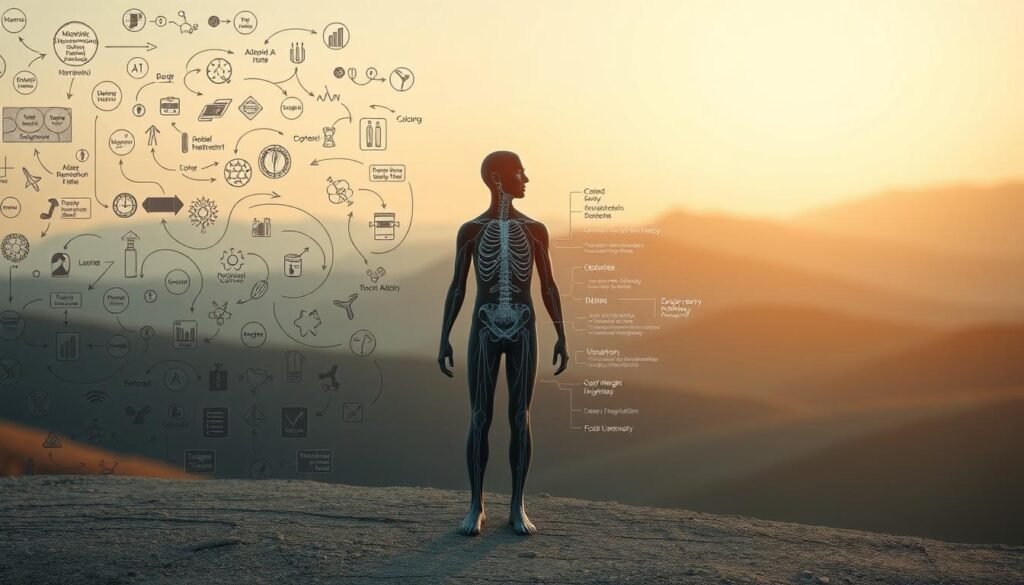
The Journey from “Fat Forever” to Sustainable Health
Breaking Free
My Journey from “Fat Forever” to Sustainable Health
This is more than just another weight loss story.
This is about healing your relationship with yourself.
The “Forever” Feeling
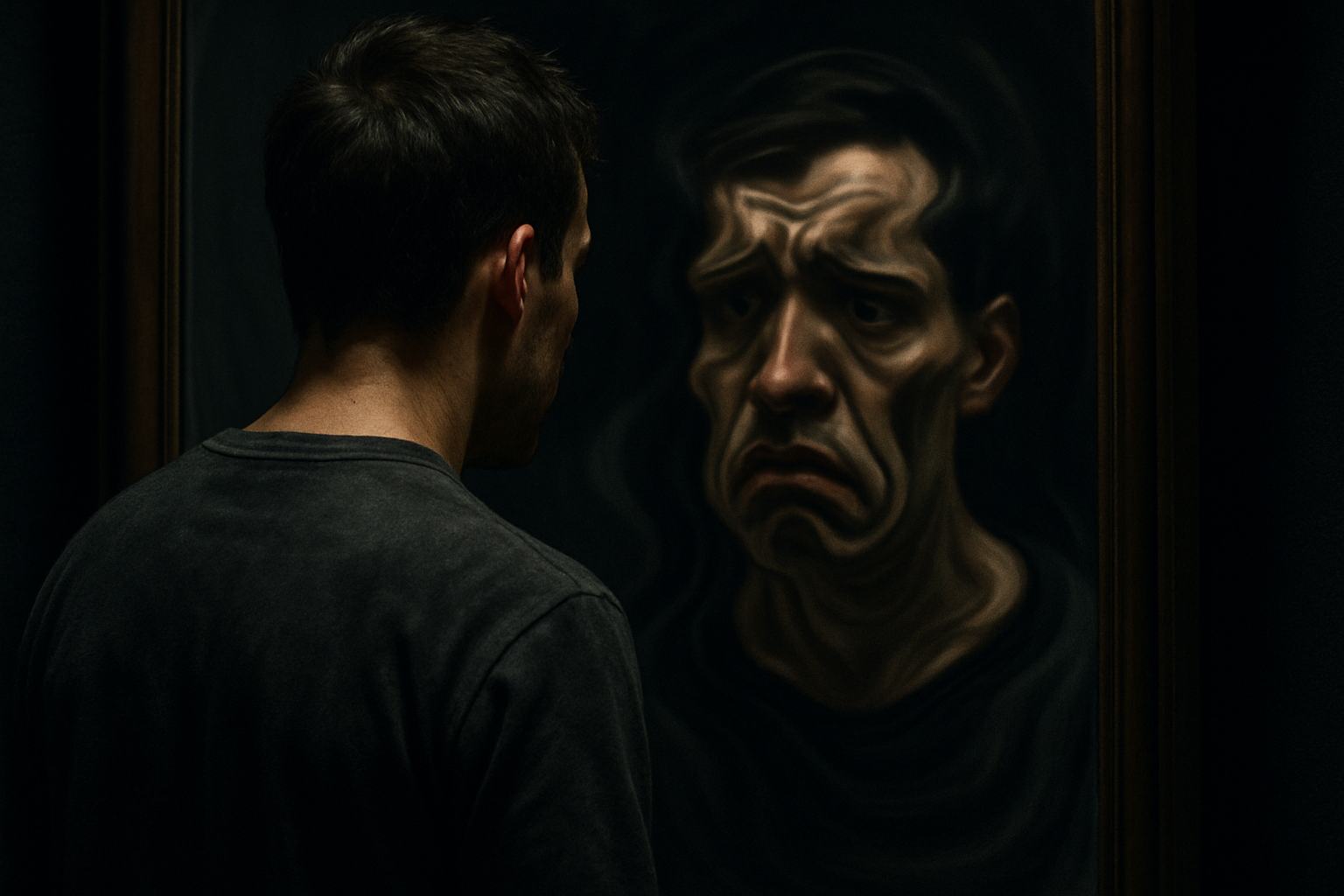
If you’ve ever looked in the mirror and whispered “I’ll always be this way,” this journey is for you.
The feeling of being “fat forever” isn’t just about the number on a scale. It’s a deep, aching belief that you are somehow broken, that your body is betraying you, and that everyone else has figured out some secret that remains forever out of your reach.
The Distorted Reality
The Clear Truth
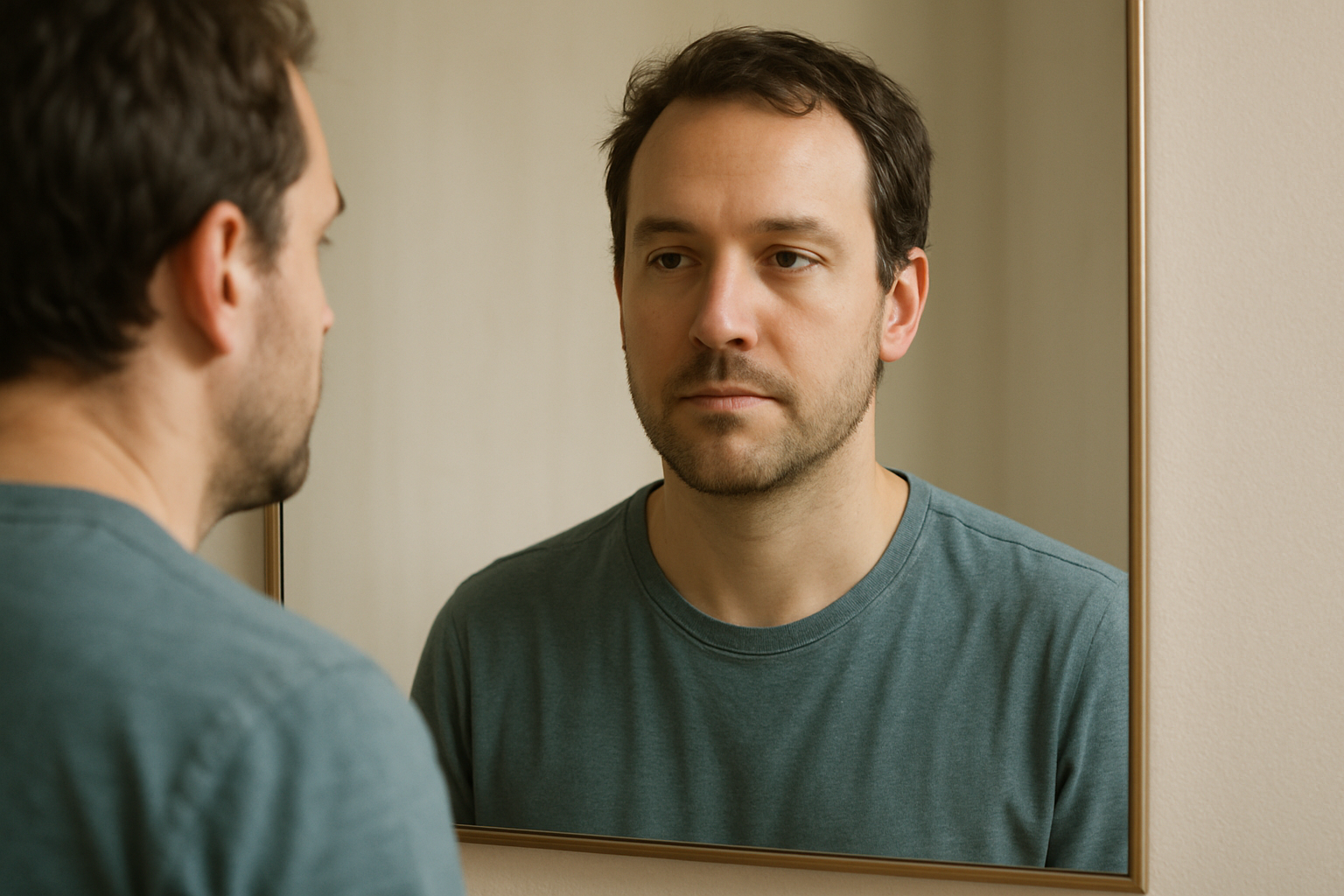
This belief system creates a prison of the mind. You’ve tried everything—counting calories, cutting carbs, intense workouts, meal replacements, detoxes. Each time, the initial hope gives way to familiar disappointment. The weight returns, and with it, the crushing confirmation that you are, indeed, “fat forever.”
But what if I told you that this feeling of permanence is not your fault, and more importantly, it’s not your truth?
Experience Your Inner Voices
Listen to the difference between your inner critic and your wise, compassionate self.
Use headphones for the best experience.
The Science Behind “Fat Forever”
Understanding the biology and psychology that makes lasting change feel impossible
The Set-Point Theory
Your body has a biological weight “set point”—a weight range it fights to maintain. This isn’t weakness; it’s survival. When you lose weight, your body doesn’t know you’re trying to fit into smaller jeans. It thinks you’re starving, and it responds accordingly.
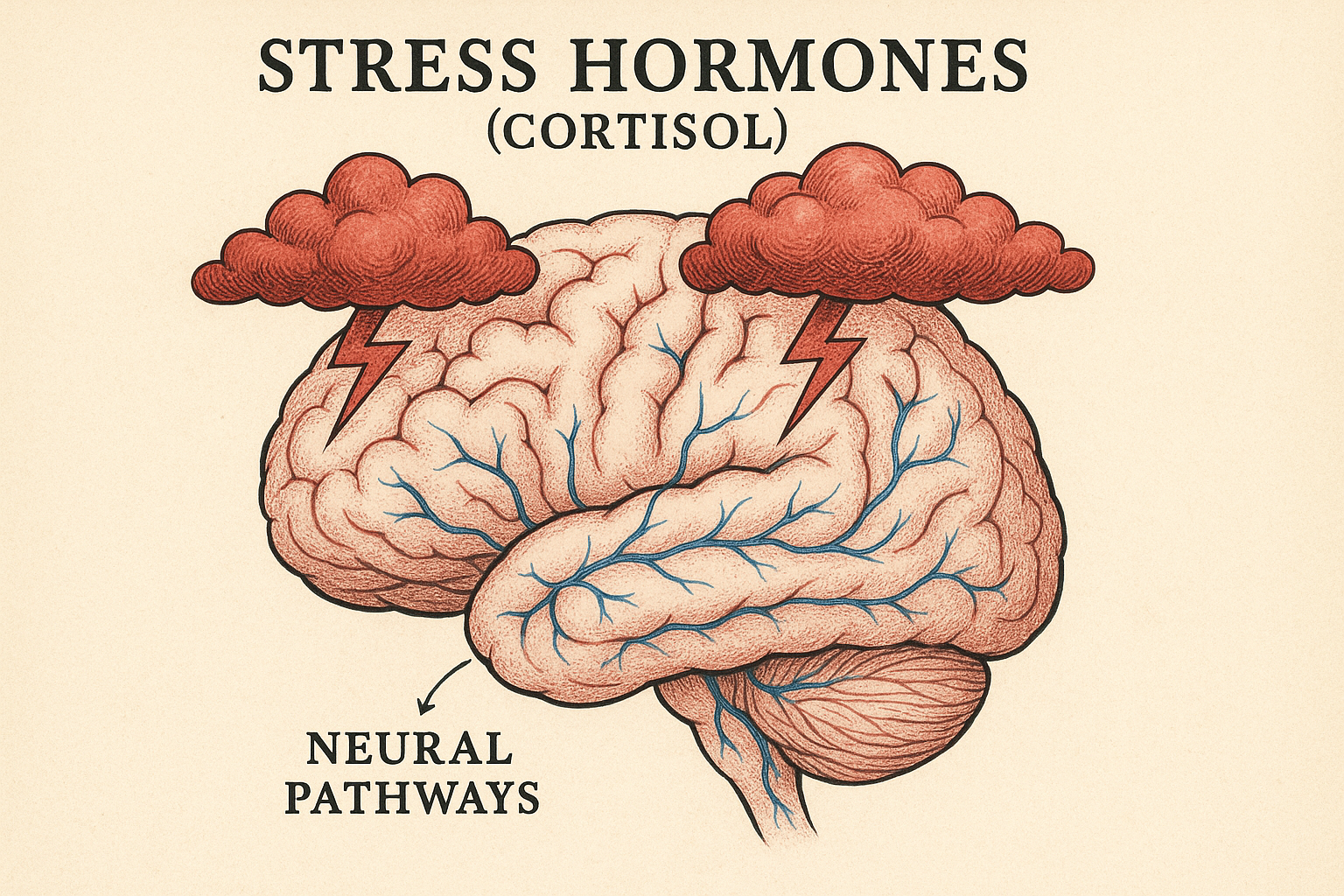
Research shows that when you lose weight, your body:
- Increases hunger hormones like ghrelin
- Decreases satiety hormones like leptin
- Slows your metabolism by 10-25%
- Changes your food preferences toward higher-calorie options
- Increases cortisol, promoting fat storage
This isn’t your body “sabotaging” you—it’s your body trying to save your life.
The Stress-Weight Connection
Chronic stress doesn’t just make you feel terrible—it fundamentally alters your physiology. When your stress response system is constantly activated, it becomes nearly impossible to lose weight sustainably, no matter how “good” you are with food and exercise.
The Diet Mentality Path

The Wellness Journey

The Great Transformation
From restriction and punishment to nourishment and compassion
Witness the Physical Transformation
Shifting Your Relationship with Food
Restrictive Mentality

Nourishing Approach
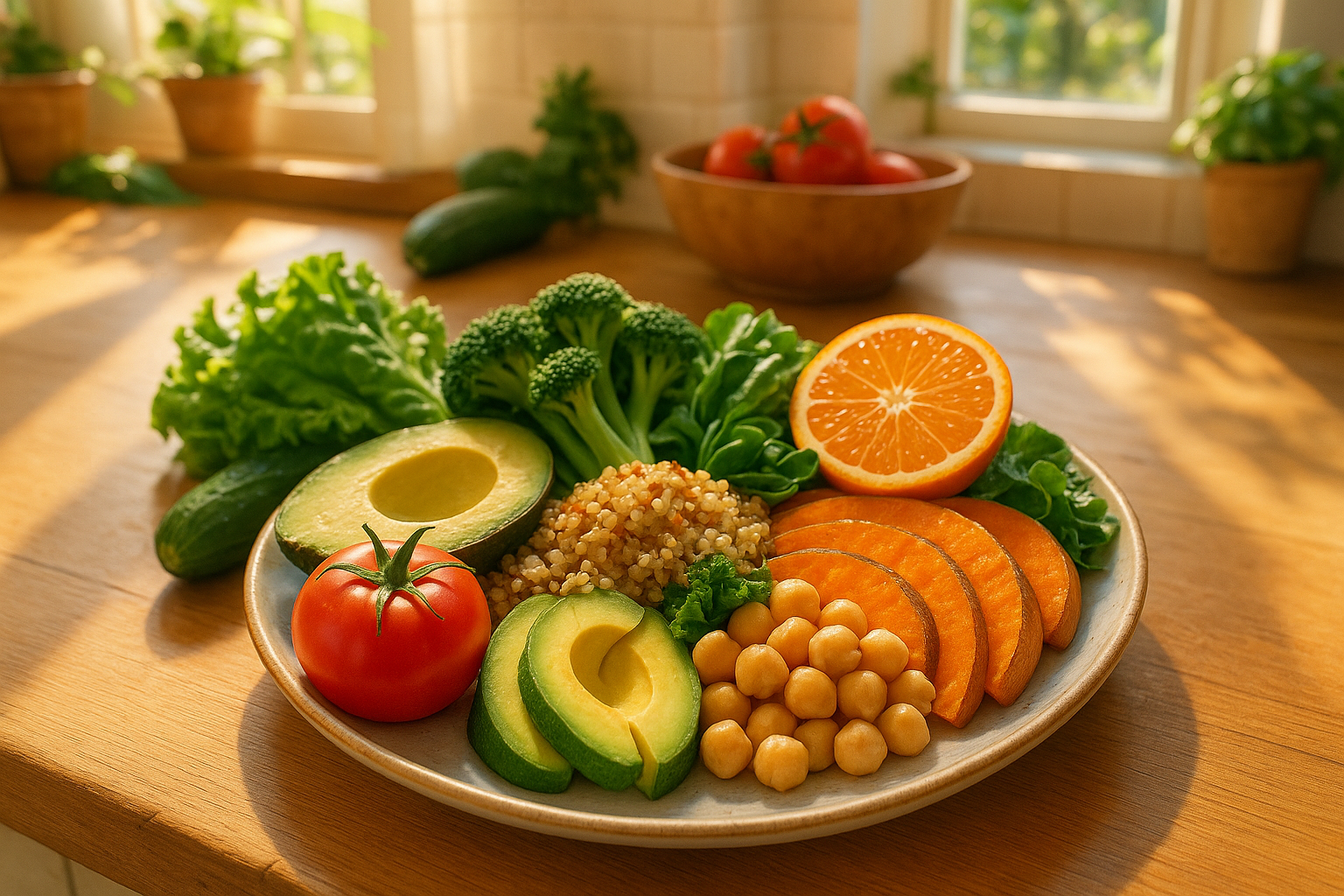
The transformation begins when you stop asking “How can I lose weight?” and start asking “How can I take better care of myself?” This shift—from external control to internal wisdom—changes everything.
Redefining Movement
Exercise as Punishment

Joyful Movement

A Day in a Life of Sustainable Wellness
The Science of Self-Compassion
Discovering the most powerful tool for sustainable transformation

Research from leading universities shows that self-compassion is more effective than self-criticism for creating lasting behavior change. When you treat yourself with the same kindness you’d show a good friend, something remarkable happens in your brain and body.
The Metaphor of Self-Nourishment
The Neuroscience of Habit Formation
Your brain is constantly rewiring itself based on what you repeatedly think, feel, and do. This process—called neuroplasticity—means that the patterns that feel so permanent can actually be changed. But not through force, shame, or willpower.
Sustainable change happens through:
- Micro-habits: Tiny, consistent actions that build trust with yourself
- Self-compassion: Treating setbacks as information, not failures
- Body awareness: Learning to listen to your body’s wisdom
- Stress management: Creating internal safety so your body can heal
- Community: Surrounding yourself with people who see your worth
From “Fat Forever” to “Beautifully Human”
The journey from feeling “fat forever” to embracing sustainable health isn’t about becoming a different person. It’s about remembering who you’ve always been beneath the layers of shame, criticism, and cultural messaging.
You are not your weight. You are not your food choices. You are not your exercise habits. You are a whole, complete, valuable human being who deserves care, nourishment, and respect—exactly as you are right now.
This doesn’t mean giving up on health. It means approaching health from a foundation of love instead of fear, curiosity instead of criticism, patience instead of punishment.
Your Next Steps Forward
If this resonates with you, here are some gentle ways to begin:
- Practice one moment of self-kindness today. When you notice self-criticism, pause and ask: “What would I say to a friend in this situation?”
- Focus on how you feel, not how you look. Notice energy, mood, sleep, and satisfaction rather than just weight.
- Experiment with gentle movement. Find ways to move your body that feel good, not punitive.
- Eat with awareness. Practice tasting your food, eating without distractions, and honoring your hunger and fullness.
- Seek support. Whether it’s therapy, coaching, or a supportive community, you don’t have to do this alone.
“You have been criticizing yourself for years, and it hasn’t worked.
Try approving of yourself and see what happens.”
— Louise Hay
⚠️ Important Disclaimer
This is a conceptual, informational experience and is not a substitute for professional medical, nutritional, or psychological advice.
The content provided here is for educational and inspirational purposes only. Individual results may vary, and this experience is not intended to diagnose, treat, cure, or prevent any medical condition. Always consult with qualified healthcare providers—including physicians, registered dietitians, and licensed mental health professionals—before making any changes to your diet, exercise routine, or mental health treatment.
If you are struggling with an eating disorder, depression, or other mental health concerns, please seek professional help immediately. You deserve support, care, and evidence-based treatment from qualified professionals.